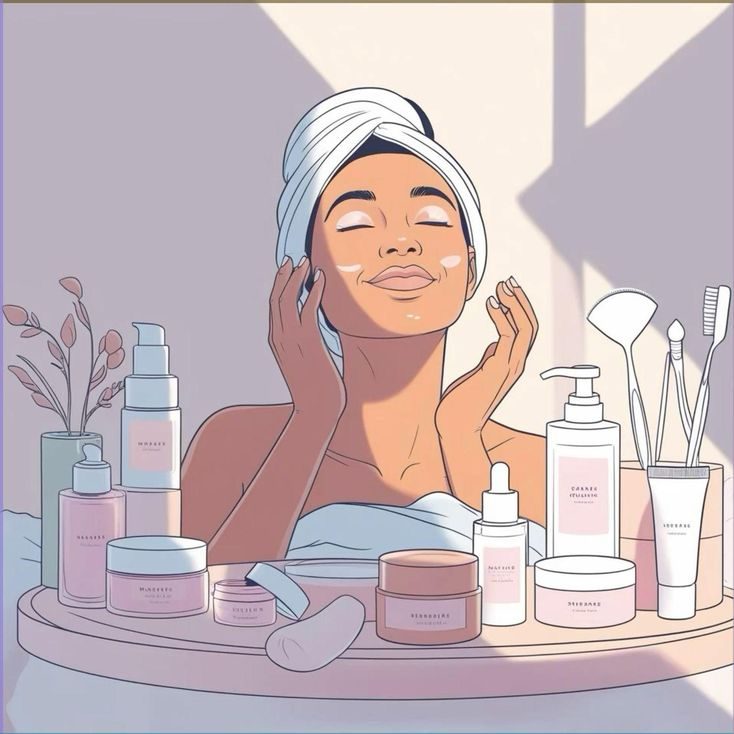

Skincare is not just about having glowing skin or following beauty trends. It is about keeping your skin clean, hydrated, comfortable, and protected from everyday damage. As the body’s outer protective barrier, the skin helps prevent moisture loss and protects against external irritants.
Sun exposure, pollution, sweat, changing weather, and natural ageing can all affect the skin. A suitable skincare routine helps maintain its protective barrier and manage common concerns such as dryness, acne, and uneven skin tone.
The good news is that you do not need expensive products or a complicated routine to care for your skin. Simple habits, including gentle cleansing, moisturizing, and daily sunscreen use, can make a meaningful difference over time.
Why Is Skincare Important?
Every person’s skin is different. Some people experience excess oil and frequent breakouts, while others struggle with dryness, sensitivity, or pigmentation. Understanding your skin’s needs helps you choose suitable products and avoid unnecessary irritation.
Consistent skincare focuses on both protection and maintenance. It helps keep the skin comfortable, supports its natural functions, and reduces exposure to preventable damage. Healthy skin does not mean flawless skin; it means skin that is cared for according to its needs.
7 Important Benefits of Skincare
- Keeps Skin Clean and Hydrated
Throughout the day, sweat, excess oil, sunscreen, makeup, and environmental particles can accumulate on the skin. A gentle cleanser helps remove these substances without stripping away too much of the skin’s natural oils.
Moisturizing is equally important. It helps reduce water loss, keeps the skin soft, and supports the protective barrier. Ingredients such as glycerin and hyaluronic acid help attract water, while ceramides help support the skin barrier.
Even oily skin can benefit from a moisturizer. Choosing a lightweight, non-comedogenic formula can provide hydration without feeling too heavy.
- Protects Against Sun Damage and Premature Ageing
Sun protection is one of the most important steps in a skincare routine. Ultraviolet (UV) radiation can contribute to sunburn, dark spots, wrinkles, and an increased risk of skin cancer. Damage can occur even on cloudy days.
Using a broad-spectrum sunscreen with SPF 30 or higher helps protect against UVA and UVB radiation. Apply it to exposed skin before going outdoors and reapply approximately every two hours when outdoors, as well as after swimming or heavy sweating.
Regular moisturizing and sun protection can also help minimize preventable signs of premature ageing. Although skincare cannot stop natural ageing, these habits support skin health over time.
- Helps Manage Acne and Breakouts
Acne develops when hair follicles become clogged with oil and dead skin cells. Hormonal changes, genetics, and other factors can influence how frequently breakouts occur.
A suitable skincare routine can help manage acne. Gentle cleansing removes excess oil, while non-comedogenic moisturizers help maintain the skin barrier. Depending on the concern, ingredients such as salicylic acid or benzoyl peroxide may also be useful.
Avoid picking pimples, scrubbing aggressively, or using several strong products at once. These habits can irritate the skin and increase the risk of marks or scarring.
If acne is painful, persistent, or leaving scars, consult a dermatologist for appropriate treatment.
- Improves the Appearance of Uneven Skin Tone
Dark spots and uneven pigmentation may develop due to sun exposure, acne-related inflammation, hormonal changes, and other causes. Although these concerns are common, the right approach depends on what is causing them.
Ingredients such as vitamin C, niacinamide, and azelaic acid may help improve the appearance of certain types of pigmentation. However, results take time, and not every ingredient works equally well for everyone.
Daily sunscreen is particularly important because UV exposure can darken existing spots. Avoid harsh brightening products or treatments that promise instant results. If a patch is changing, persistent, or unusual, seek professional advice.
The aim is to support a healthy, more even-looking complexion rather than change your natural skin colour.
- Supports the Skin’s Natural Protective Barrier
The skin barrier helps retain moisture and protect the body from external irritants. When it becomes disrupted, the skin may feel tight, appear flaky, or become more sensitive to products.
Over-cleansing, frequent exfoliation, and excessive use of active ingredients can contribute to irritation. To support the skin barrier, use a gentle cleanser, apply a suitable moisturizer, and introduce new products gradually.
If your skin becomes persistently red, itchy, or uncomfortable, simplify your routine and consider seeking professional advice. Stronger products are not always better; a gentle, consistent approach is often more suitable for everyday care.
How to Build a Simple Skincare Routine
A basic routine is often enough to get started. You can add targeted products later if you have a specific concern.
Morning routine
- Cleanse: Use a gentle cleanser to remove excess oil and sweat, if needed.
- Moisturize: Apply a moisturizer suited to your skin type to help maintain hydration.
- Apply sunscreen: Use broad-spectrum SPF 30 or higher on exposed skin. Reapply as directed, especially during extended outdoor exposure.
- Evening routine
- Use targeted treatments: If needed, introduce a suitable product for concerns such as acne or pigmentation instead of layering several active ingredients.
- Moisturize: Finish with a moisturizer to help reduce water loss overnight.
Consistency matters more than the number of products you use. Give your routine time to work and avoid changing several products at once.
Daily Habits That Support Healthy Skin
Skincare products are only one part of maintaining healthy skin. Everyday habits also contribute to overall well-being and may influence certain skin concerns.
- Eat a balanced diet: Include vegetables, fruits, whole grains, protein sources, and healthy fats. No single food guarantees clear skin.
- Drink enough water: Maintain adequate hydration throughout the day. Drinking excessive amounts of water will not automatically make your skin glow.
- Get sufficient sleep: Regular, adequate sleep supports general health and the body’s natural recovery processes.
- Manage stress: Stress may aggravate some skin conditions, including acne in certain people. Relaxation and regular physical activity may help.
- Avoid smoking: Smoking can contribute to premature skin ageing and harm overall health.
- Be gentle with your skin: Avoid picking pimples, aggressive scrubbing, and excessive exfoliation.
These habits complement a skincare routine but do not replace professional treatment for persistent skin conditions.
How to Choose Products for Your Skin Type
Choosing products according to your skin’s needs can make your routine more comfortable.
Cleanse: Remove sunscreen, makeup, dirt, and excess oil gently. Water-resistant products may require an appropriate first cleansing step.
- Oily skin: Look for gentle cleansers and lightweight, non-comedogenic moisturizers.
- Dry skin: Consider creamy cleansers and moisturizers that help attract and retain moisture.
- Combination skin: Choose products that hydrate dry areas without feeling excessively heavy on oily areas.
- Sensitive skin: Prefer gentle, fragrance-free products when possible, and introduce new ingredients slowly.
- Acne-prone skin: Consider non-comedogenic products and suitable, evidence-based acne treatments.
- These are general guidelines rather than strict rules. Your skin’s needs can change with the weather, age, hormones, and other factors. If you have a persistent skin condition, a dermatologist can help you choose appropriate products and treatments.Common Skincare Mistakes to AvoidOne common mistake is assuming that more products will produce faster results. Combining several exfoliants or strong active ingredients can irritate the skin, particularly when they are introduced too quickly.
Another mistake is skipping moisturizer because your skin is oily. Oil production and skin hydration are different, and oily skin can still become irritated or dehydrated.
Do not rely on makeup with SPF as your only sun protection, and avoid products that promise instant acne removal, permanent fairness, or completely poreless skin. Most skincare improvements take time, and some concerns require professional treatment.
Final Thoughts
The importance of skincare goes beyond appearance. A suitable routine helps keep the skin clean and hydrated, supports its protective barrier, protects against sun damage, and manages common concerns such as acne and uneven pigmentation.
You do not need to follow every trend or spend a lot of money to care for your skin. Start with gentle cleansing, moisturizing, and sunscreen, then adjust your routine according to your individual needs.
Remember that healthy skin looks different on different people. The best skincare routine is one that suits your skin, is easy to maintain, and supports its health without causing unnecessary irritation.